




Search
Related News
- 00
0000-00
How finite element aerospace structural analysis predicts wing fatigue life - 00
0000-00
What drives rail vehicle dynamics cost during high-speed bogie design? - 00
0000-00
How rail transit integration testing exposes interface failures before commissioning - 00
0000-00
How to verify aircraft composite material certification for flight use - 00
0000-00
How to qualify titanium aircraft forgings for fatigue-critical parts
Rail Signaling System Cost: What Drives Budget Up or Down




Why does rail signaling system cost vary so much between projects?
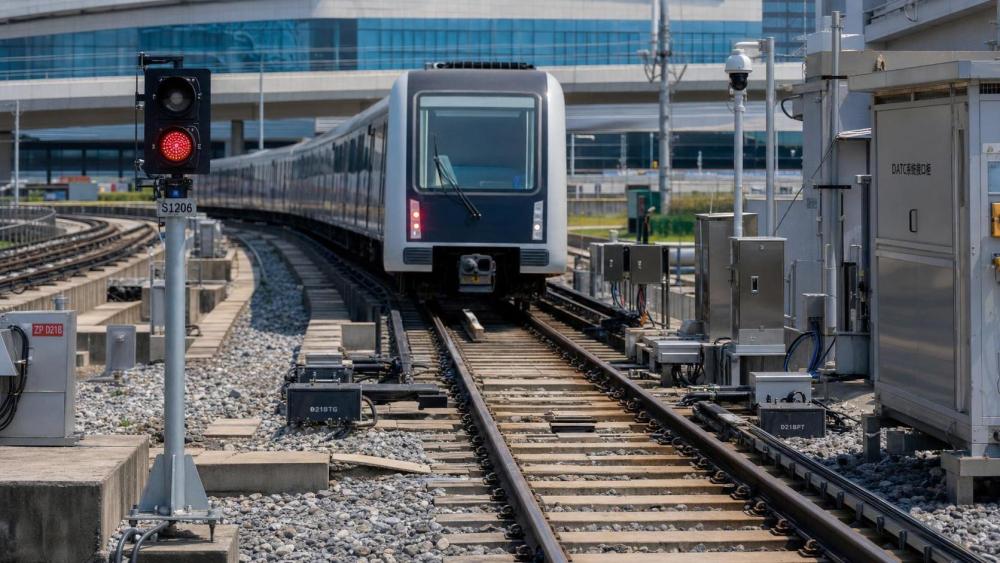
Rail signaling system cost rarely follows a simple per-kilometer rule. Two lines with similar length can produce very different budgets.
The main reason is that signaling is not only hardware. It combines safety logic, software, field equipment, communications, testing, certification, and long-term support.
In practical terms, the budget moves up when the line demands tighter headways, higher speeds, denser traffic, or more difficult retrofit conditions.
It also rises when the project must integrate with legacy interlockings, platform systems, traction power interfaces, depots, and control centers.
That is why early approval can feel uncertain. A quote may look competitive at first, yet omit migration complexity or lifecycle obligations.
AATS often frames this issue through the same lens used across advanced transport systems: reliability, safety integrity, maintainability, and whole-life economics matter more than headline price.
For a realistic view, it helps to separate capital cost from operating impact. A lower initial offer may increase downtime, spare holding, or upgrade cost later.
What are the biggest cost drivers behind a signaling budget?
When people ask what drives rail signaling system cost, they usually expect one answer. In reality, several layers interact.
System architecture changes the base cost
A conventional fixed-block scheme, a CBTC deployment, and a moving block design have different hardware counts, software depth, and verification effort.
CBTC can reduce headway and improve throughput, but the rail signaling system cost often rises because communication reliability and software assurance become more demanding.
Safety integrity requirements add engineering effort
SIL4-related functions require rigorous design, redundancy, validation, and documentation. That work is essential, but it is not cheap.
On higher-speed or high-density corridors, proving fail-safe performance can consume a meaningful share of engineering and testing budget.
Field conditions affect installation more than expected
Greenfield projects usually offer cleaner installation paths. Brownfield upgrades often need night possessions, temporary works, phased cutovers, and legacy compatibility checks.
Those constraints push labor cost upward and extend project duration. They also increase interface risk during commissioning.
Operations and maintenance shape the true total cost
A system with strong diagnostics, modular replacement, and predictive maintenance support may cost more initially, yet reduce disruption over its service life.
That lifecycle view is increasingly important across AATS coverage areas, from aero-engine durability to transit MRO planning.
How can you tell whether a quotation is complete or hiding future costs?
This is usually the most important budget question. A low figure does not automatically mean a better rail signaling system cost outcome.
A useful check is to ask what the quote excludes. Missing scope often appears in migration support, cybersecurity hardening, interface testing, training, and spare parts.
Another practical check is whether commissioning assumptions are realistic. If track access windows are optimistic, the final cost can rise quickly.
The table below helps compare proposals without relying on unit price alone.
A complete quote should also explain assumptions on track possession, weather protection, cable routes, and civil readiness. These details often decide the final rail signaling system cost.
Does higher performance always mean higher rail signaling system cost?
Not always. Higher performance usually increases complexity, but the business case can still improve.
For example, a more advanced signaling scheme may support shorter headways, better punctuality, and stronger network capacity without adding new track.
In that case, the rail signaling system cost is higher upfront, yet the cost per transported passenger or train path may improve.
A more useful question is whether added performance matches the operating plan. If the corridor will not use the extra capacity, the upgrade may be oversized.
The same logic appears in other AATS sectors. High-spec technology creates value only when operating conditions actually require it.
A balanced review should compare:
- required headway versus planned headway;
- target speed versus current route geometry;
- network expansion plans versus software scalability;
- maintenance capability versus system sophistication.
This prevents the common mistake of paying for future flexibility that may never be used, or underbuying a system that becomes a bottleneck too soon.
Where do rail signaling projects most often go over budget?
Cost overruns usually come from interfaces and timing, not from the visible equipment list alone.
One common issue is underestimating brownfield migration. Existing assets may have incomplete records, nonstandard modifications, or limited shutdown windows.
Another issue is late software change. When operating rules shift after design freeze, revalidation can be expensive.
Cybersecurity is another area that can surprise budgets. Secure architecture, patch management, access control, and audit compliance now affect rail signaling system cost more than before.
It is also worth checking whether local standards, export controls, or approval pathways will change documentation and testing needs.
The most reliable way to control overrun risk is to challenge assumptions early:
- Confirm every external interface owner.
- Map each possession window to installation tasks.
- Check whether legacy data is complete and usable.
- Separate mandatory compliance work from optional enhancement.
- Request lifecycle support pricing before approval.
What is a sensible way to evaluate rail signaling system cost before approval?
A sound evaluation starts by asking what problem the project must solve. Capacity relief, speed increase, safety modernization, and asset renewal do not justify cost in the same way.
Then compare bids through a whole-life lens rather than a pure capex lens. That means looking at installation risk, certification effort, maintenance burden, upgrade path, and service continuity.
It also helps to build a simple decision matrix with weighted items. Not every project needs the most advanced architecture, but every project needs transparent assumptions.
A practical pre-approval checklist
- Define required throughput, speed, and safety level.
- Identify brownfield constraints and cutover complexity.
- Compare included and excluded scope line by line.
- Review software licensing and expansion conditions.
- Estimate ten-year maintenance and obsolescence exposure.
- Check supplier evidence on similar operating environments.
When these points are documented, rail signaling system cost becomes easier to defend internally because the financial case is tied to measurable operating outcomes.
The most effective next step is not chasing the lowest number. It is narrowing uncertainty.
Clarify scope, test assumptions, compare lifecycle implications, and verify whether the proposed performance truly matches corridor needs.
That approach usually leads to a more stable approval process and a more credible rail signaling system cost benchmark for future negotiations.
Related News
- How signaling redundancy design for metro systems limits single-point failuresSep 04, 2026Explore signaling redundancy design for metro systems: prevent single-point failures with independent CBTC paths, failover testing, and resilient operations.
- Electronic Interlocking System vs Legacy Signaling: What MattersJul 15, 2026Electronic interlocking system vs legacy signaling: compare safety, capacity, diagnostics, integration, and lifecycle cost to choose the smarter rail upgrade path.
- Digital Rail Signaling Systems: Key Factors for Safer Network UpgradesJul 08, 2026Digital rail signaling systems are reshaping safer network upgrades. Explore key factors like interoperability, SIL4 safety, migration planning, and lifecycle value.
- How to Evaluate a Rail Signaling Supplier in Europe for SIL4 and Lifecycle RiskJun 30, 2026Rail signaling supplier Europe guide: learn how to assess SIL4 evidence, integration capability, cybersecurity, and lifecycle risk to choose a safer, more resilient long-term partner.