




Search
Related News
- 00
0000-00
What drives rail vehicle dynamics cost during high-speed bogie design? - 00
0000-00
How rail transit integration testing exposes interface failures before commissioning - 00
0000-00
How to verify aircraft composite material certification for flight use - 00
0000-00
How to qualify titanium aircraft forgings for fatigue-critical parts - 00
0000-00
How to prepare objective evidence for a Nadcap audit
Electronic Interlocking System vs Legacy Signaling: What Matters




Choosing between an electronic interlocking system and legacy signaling now reaches far beyond equipment replacement. It shapes operating safety, line capacity, maintenance exposure, integration flexibility, and the economics of future upgrades across modern rail networks.
That is why the comparison matters across the broader advanced transport landscape tracked by AATS. In networks where reliability, SIL4 safety logic, predictive maintenance, and long lifecycle planning drive investment, signaling architecture becomes a strategic decision.
What the shift really means
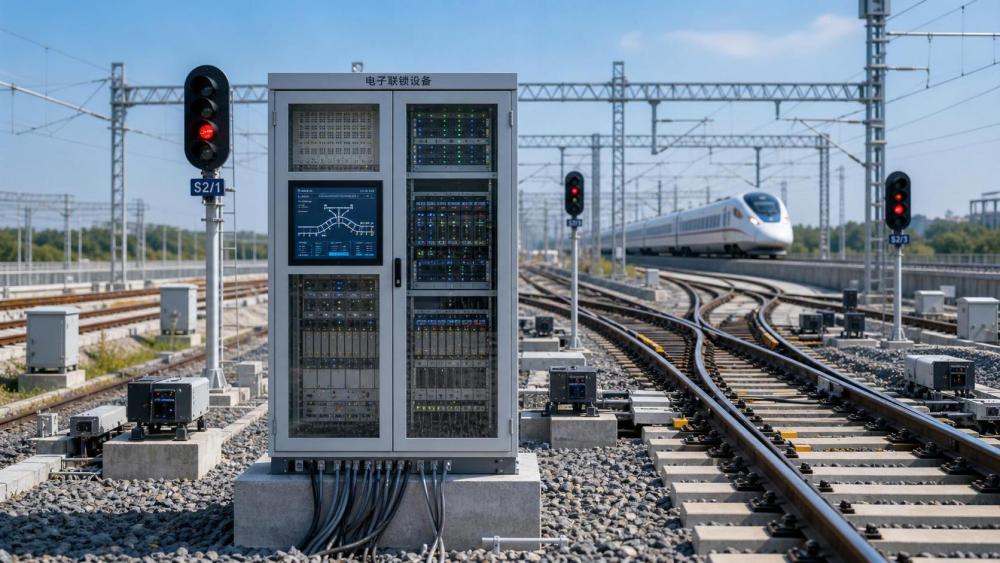
At its core, an electronic interlocking system controls route setting, point switching, signal aspects, and movement protection through computer-based logic. It replaces many relay-based functions with software-driven control, diagnostics, and interface management.
Legacy signaling usually relies on relay interlocking, dispersed wiring, and hardware-heavy control rooms. These systems can remain safe and proven, but they often become difficult to expand, monitor, and maintain at scale.
The real issue is not whether old systems still work. The issue is whether they support the traffic density, fault visibility, integration demands, and lifecycle expectations of current rail operations.
Why the industry is paying closer attention
Rail operators are under pressure from several directions at once. Capacity targets are rising, labor for specialized maintenance is tighter, and outage windows are harder to secure on heavily used corridors.
At the same time, signaling no longer sits alone. It must connect with CBTC layers, centralized traffic control, train positioning, condition monitoring, cybersecurity controls, and asset management systems.
This is where an electronic interlocking system gains attention. It creates a cleaner path toward network digitalization, especially where transport authorities want better diagnostics, remote visibility, and staged modernization instead of total replacement.
AATS often frames technology decisions through both engineering and commercial lenses. That approach fits signaling especially well, because the strongest option is not always the cheapest tender price or the newest platform label.
Electronic interlocking system vs legacy signaling
A direct comparison helps separate practical value from upgrade rhetoric. The table below focuses on decision points that usually affect long-term outcomes.
The important takeaway is balance. An electronic interlocking system is not automatically the right answer for every branch line or depot. Yet on busy passenger routes, mixed traffic corridors, and expansion programs, it often aligns better with future operating models.
Where value appears in actual operations
Capacity improvement is usually the first business case, but it is rarely the only one. Faster fault localization and reduced service disruption can be just as valuable on a congested network.
An electronic interlocking system also supports more disciplined lifecycle management. Instead of waiting for a visible failure, operators can work from alarms, event records, equipment trends, and maintenance history.
That matters in the same way predictive maintenance matters elsewhere in advanced transport. Better information reduces uncertainty, and reduced uncertainty improves planning, outage management, and capital timing.
There is also a governance benefit. Digital interlocking platforms often make configuration control, change documentation, and compliance review easier to manage across multi-site projects.
Hidden costs often overlooked
Legacy signaling can appear less expensive because much of the infrastructure is already sunk. However, hidden cost usually sits in manual inspection effort, spare obsolescence, outage duration, and dependency on shrinking specialist knowledge pools.
By contrast, an electronic interlocking system may require higher upfront engineering, software validation, and integration work. The return often appears later through lower disruption risk and greater upgrade flexibility.
Typical scenarios where the decision changes
The best choice depends heavily on route profile, traffic intensity, modernization ambition, and interface complexity. A few scenarios show why simple comparisons can mislead.
- High-speed corridors usually benefit from an electronic interlocking system because response discipline, central monitoring, and integration with advanced train control become more critical.
- Urban transit expansions often favor digital interlocking where CBTC migration, station additions, and phased commissioning need a scalable signaling core.
- Freight-heavy mixed lines may justify upgrade when turnout density, dispatch complexity, and reliability penalties from failures are already significant.
- Low-density routes may continue with legacy signaling longer if risk is controlled and the upgrade case remains weak against traffic demand.
In practical terms, the question is less about age and more about fit. Some relay systems still suit stable, low-change environments. Others become barriers once service models, interfaces, or reliability expectations shift.
What to examine before committing capital
A strong decision framework should test the signaling option against operational reality, not only technical brochures. Several points deserve close attention early in evaluation.
Integration pathway
Check how the electronic interlocking system connects with traffic management, train detection, CBTC overlays, telecom networks, and maintenance software. Interface complexity can determine both budget risk and commissioning risk.
Migration strategy
Brownfield projects rarely move in one clean step. The safer approach often involves staged cutovers, temporary hybrid operation, and careful fallback design during possession windows.
Supportability over time
Review software lifecycle policy, hardware availability, cybersecurity patching, local service capability, and training requirements. A modern system with weak long-term support can create a different kind of lock-in.
Evidence of performance
Look beyond stated capacity gains. Better evidence includes fault response data, mean time to repair, commissioning record, availability metrics, and reference cases in similar operating conditions.
A broader transport investment perspective
The most useful AATS perspective is that signaling modernization should be read like other high-reliability transport investments. Aerospace materials, EMU traction systems, and electronic interlocking all reward rigorous lifecycle thinking over short-term price logic.
That means judging not only hardware performance, but also resilience, maintainability, compliance readiness, upgrade compatibility, and how well the system supports future service patterns.
An electronic interlocking system becomes especially attractive when it is part of a larger program involving capacity growth, digital supervision, infrastructure renewal, or network-wide standardization.
How to move the assessment forward
A useful next step is to map the signaling decision against three timelines: immediate risk reduction, five-year operating needs, and long-term network evolution. That usually exposes whether legacy signaling remains adequate or merely familiar.
From there, compare candidate architectures using consistent criteria: safety case maturity, integration burden, outage strategy, maintenance model, obsolescence exposure, and total lifecycle value.
When the analysis is done well, the choice between an electronic interlocking system and legacy signaling becomes clearer. It stops being a technology label and becomes a structured decision about reliability, scalability, and transport system resilience.
Related News
- How signaling redundancy design for metro systems limits single-point failuresSep 04, 2026Explore signaling redundancy design for metro systems: prevent single-point failures with independent CBTC paths, failover testing, and resilient operations.
- Electronic Interlocking System vs Legacy Signaling: What MattersJul 15, 2026Electronic interlocking system vs legacy signaling: compare safety, capacity, diagnostics, integration, and lifecycle cost to choose the smarter rail upgrade path.
- Digital Rail Signaling Systems: Key Factors for Safer Network UpgradesJul 08, 2026Digital rail signaling systems are reshaping safer network upgrades. Explore key factors like interoperability, SIL4 safety, migration planning, and lifecycle value.
- How to Evaluate a Rail Signaling Supplier in Europe for SIL4 and Lifecycle RiskJun 30, 2026Rail signaling supplier Europe guide: learn how to assess SIL4 evidence, integration capability, cybersecurity, and lifecycle risk to choose a safer, more resilient long-term partner.